
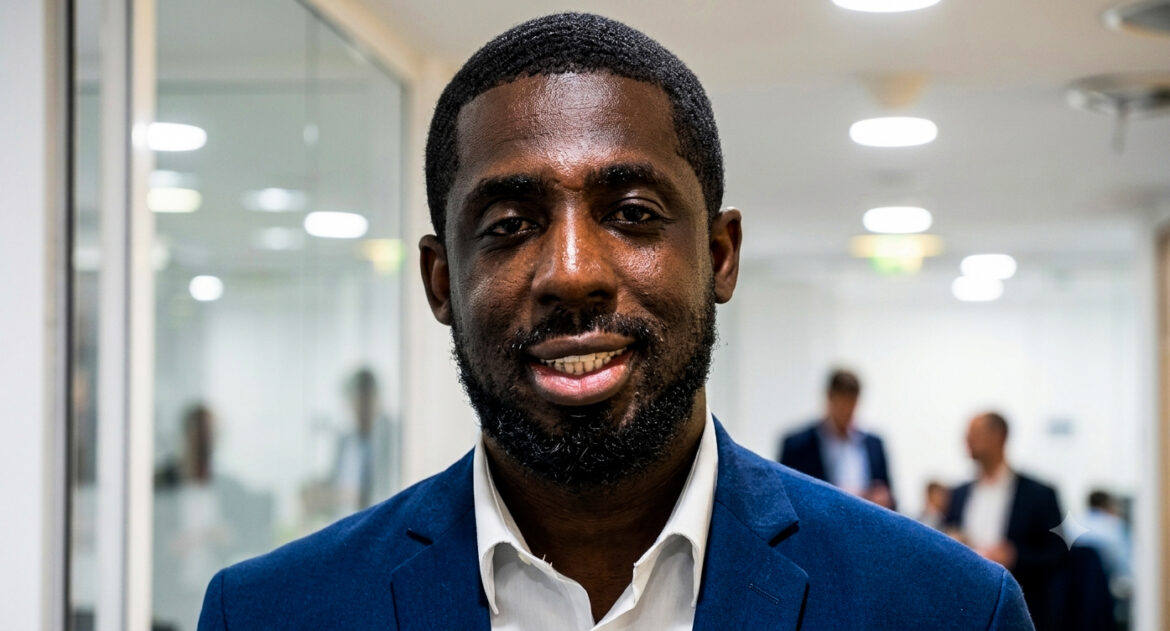
Small and medium-sized enterprises (SMEs) in Ghana are increasingly adopting mobile money and other digital payment solutions to improve efficiency, strengthen financial management, and enhance their access to credit. According to MobileMoney Fintech LTD (MMFL), this shift is reshaping how small businesses operate across the country.
Ahead of the 2026 World SME Day, observed on June 27, MMFL’s Chief Commercial Operations Officer, Abdul Razak Issaka-Ali, said digital financial services have evolved far beyond basic money transfers. He explained that they are now essential tools that help entrepreneurs address long-standing operational and financial challenges.
Issaka-Ali noted that many SMEs continue to face difficulties such as cash handling risks, theft, and limited visibility over daily transactions. According to him, digital payment systems are helping business owners reduce these risks while gaining better control over their finances.
“At the heart of this evolution is MMFL’s commitment to transforming the way people do business for the better. It is not just about digitizing payments; it is about creating real impact for businesses,” he said.
He further explained that merchant payment solutions now enable business owners to monitor transactions in real time. This development, he said, gives entrepreneurs greater oversight of revenue streams and improves transparency and accountability within their operations.
Issaka-Ali added that some mobile money solutions also allow business owners to assign payment collection roles to shop attendants without giving them direct access to business funds. This, he said, helps reduce internal financial leakages and strengthens internal controls within SMEs.
“We have tailored our solutions to meet the needs of SMEs. Business owners can track every payment made into their accounts, making it easier to manage cash flow, improve operational efficiency, and make informed business decisions,” he stated. He also noted that improved transaction visibility is helping SMEs build stronger financial records, which supports their credibility with financial institutions.
Beyond payments, Issaka-Ali highlighted access to finance as a major area where digital financial services are creating new opportunities. He explained that digital transaction histories are increasingly being used by financial institutions to assess creditworthiness, allowing SMEs to access loans without relying solely on traditional collateral requirements. He expressed confidence that continued innovation and deeper financial inclusion efforts, especially in rural and underserved communities, would further empower Ghanaian businesses and strengthen the country’s digital economy.