
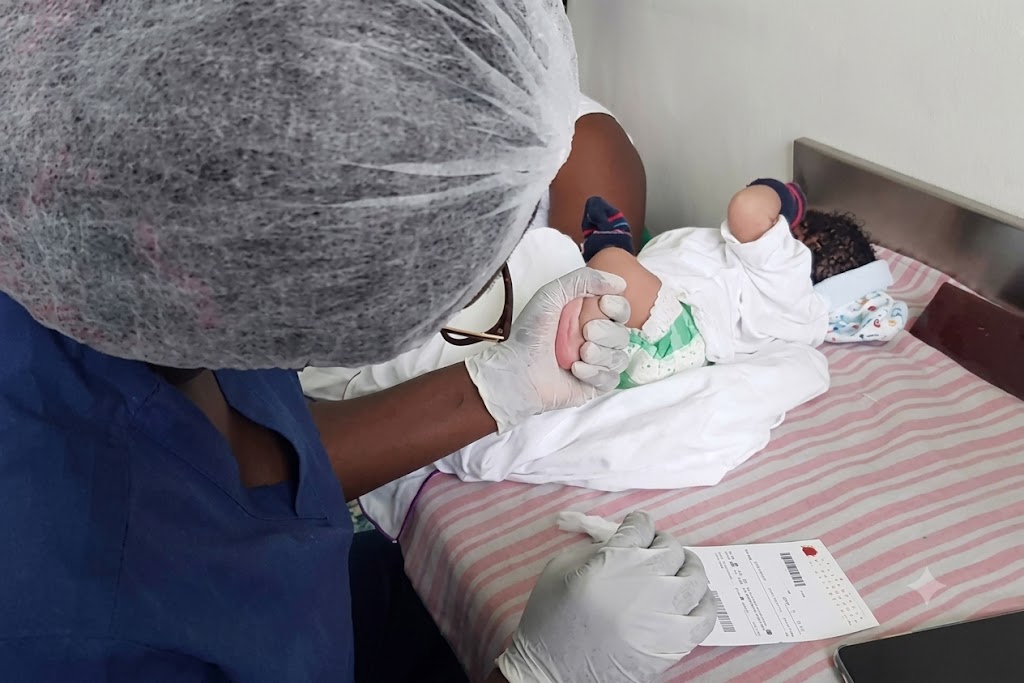
For many families in Ghana, living with cell disease involves more than managing painful episodes; it also entails a struggle against stigma, misconceptions and limited access to care.
Four-year-old Anatella was diagnosed with sickle cell disease at the age of two. Her father describes their journey as challenging, filled with frequent hospital visits and moments of uncertainty. Recently discharged after spending more than a week in the hospital due to a weather-triggered crisis, Anatella remains cheerful despite her struggles.
Her father, Daniel Danso, expresses his commitment to ensuring she receives the care she needs and enjoys a normal childhood. “She is my only child, so I must do everything to make sure she is fine. The crises are not very frequent; they are mostly triggered by the weather. We’ve learned how to keep her warm now. She is very smart, and that motivates me. All I ask is for GOD to bless me with money, and I will do everything possible to help her get better. ”he said
Sickle cell disease continues to be a significant public health issue in Ghana. Health experts estimate that around 18,000 babies are born with the condition every year, while nearly eight million Ghanaians carry the sickle cell trait. Despite years of awareness campaigns, many people remain unaware of their status, which delays diagnosis and treatment.
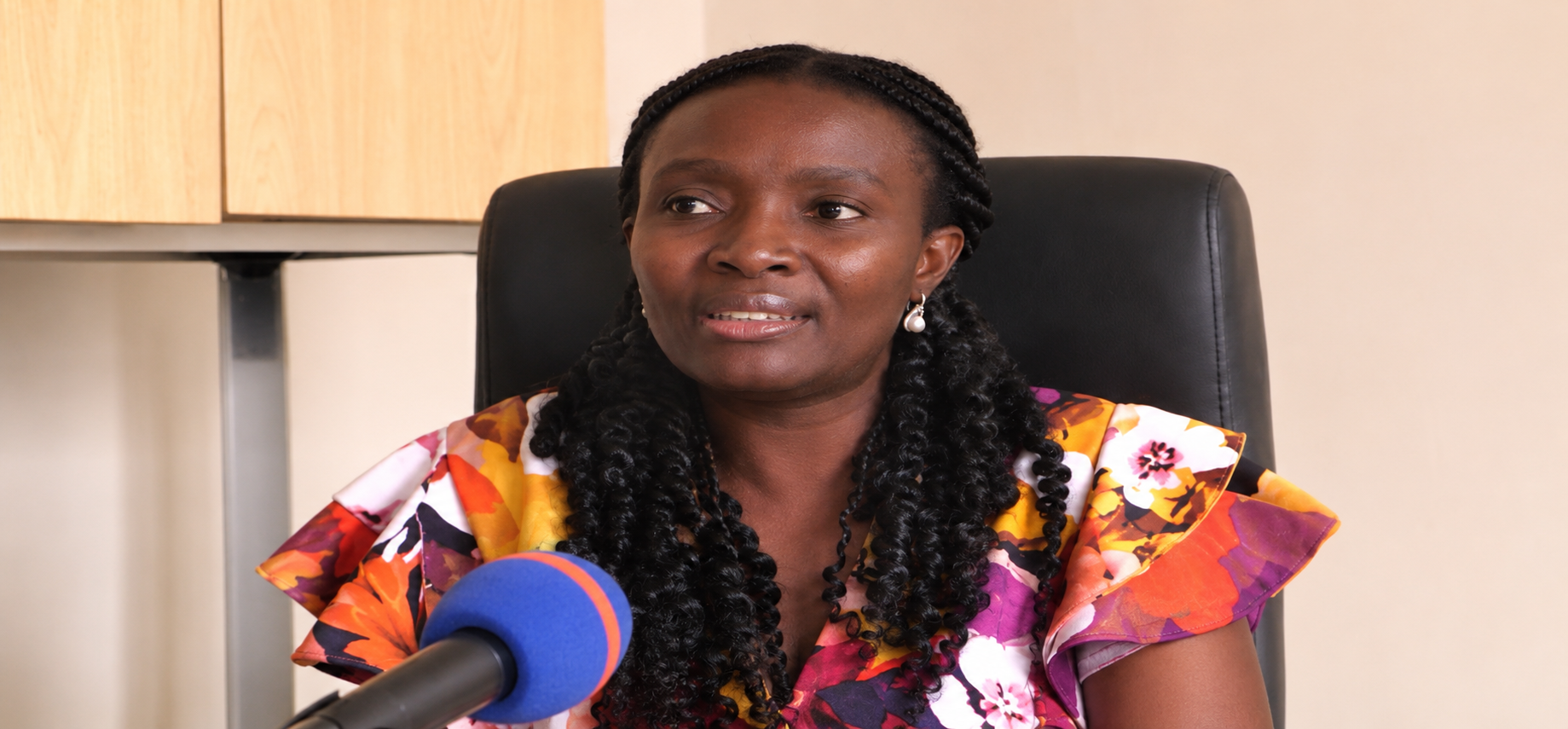
Dr Adwoa Amamoo Mante, a paediatrician and fellow in training at the Ridge Hospital, explained. ”There is a myth that the disease is not prevalent in the country, but that is not true. Two in every 100 babies born in Ghana have sickle cell disease. That statistic indicates how common the condition is. When you test and know the status early, it facilitates proper management of the disease. Currently, there is a policy that mandates every child be screened for sickle cell from the age of six months, which is essential to ensure early detection.”