The International Monetary Fund has raised concerns that specialized deposit-taking institutions (SDIs) in Ghana could become a fresh source of instability in the country’s financial system unless regulators move quickly to close existing oversight gaps. The warning came from IMF Mission Chief Dr. Ruben Atoyan during an appearance on PM Express Business Edition, where he outlined both the progress and the persistent vulnerabilities in Ghana’s banking landscape under its Extended Credit Facility (ECF) arrangement.
Dr. Atoyan acknowledged that Ghana’s banking sector has made considerable strides since the IMF-backed programme began, describing overall improvements as dramatic. However, he stressed that the reform agenda is far from complete and that unfinished business continues to leave the financial system exposed. He was unequivocal that the remaining work must be seen through, stating that completing the reforms is a firm expectation of the Fund.
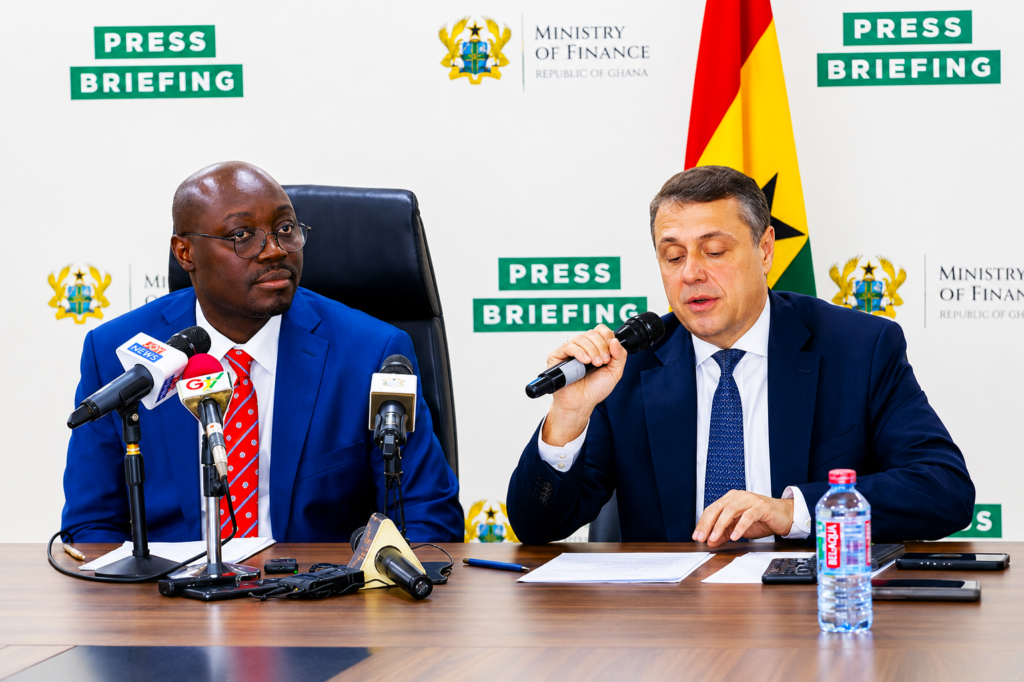
A key area of concern flagged by the IMF chief is the stubbornly high level of non-performing loans (NPLs), particularly concentrated within state-owned banks. While some degree of loan default is a normal feature of any banking environment, Dr. Atoyan cautioned that an upward trend in NPL ratios signals a deeper structural problem. He called on regulators to respond with firmer supervisory measures to prevent these pressures from destabilising the broader financial system.
Beyond the banking sector, Dr. Atoyan turned attention to the SDI segment a category that includes savings and loans companies, microfinance institutions, and other deposit-taking entities outside the traditional commercial banking framework. He warned that this segment faces its own set of emerging challenges that must be proactively addressed to prevent it from becoming a weak link in Ghana’s financial architecture. The IMF views this as a priority area requiring dedicated regulatory attention going forward.
Dr. Atoyan indicated that the IMF is working in close collaboration with Ghanaian authorities to reinforce oversight frameworks and resolve remaining structural weaknesses. The comments arrive at a critical juncture as Ghana navigates the final stages of its ECF programme, with sustained financial sector reform viewed as essential to consolidating the country’s broader economic recovery and maintaining investor confidence.