Larry Kote, the Director of Sustainability and Circular Economy at the Environmental Protection Agency (EPA), stated that confiscating banned products will be one of several measures to enforce the upcoming ban on polystyrene products, set to take effect on January 1. The agency is currently finalising the legal and regulatory framework for this implementation. The EPA is working to ensure a smooth transition ahead of the ban on polystyrene products, with enforcement measures expected to begin on January 1. During an appearance at the EPA headquarters on the AM Show on June 18, Mr. Kote stated that importers have sufficient time to adjust their operations, as many businesses operate with three- to four-month import cycles.
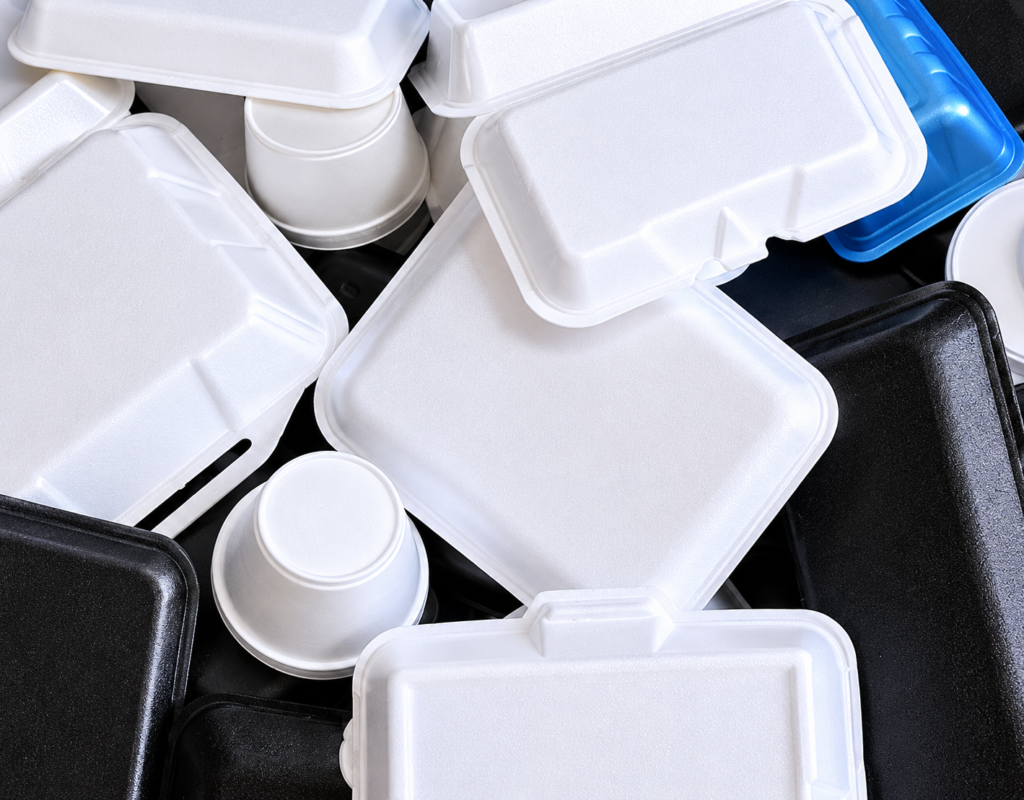
According to him, the agency is developing the necessary protocols and legal framework to support the ban, expecting to complete these processes before the implementation date. Mr. Kote stated that confiscation would be one of several enforcement measures available to the EPA once the ban is implemented. “Confiscation is one of the measures, among many others, that will be used to ensure compliance,” he said. He clarified that the EPA’s presence at Ghana’s ports allows oversight of incoming products, enabling the agency to monitor imports and regulate items that need authorization.
The EPA will collaborate with the Ghana Customs Service to identify which products will be restricted under the ban and to determine when these restrictions will take effect. “We will be communicating with Customs on the list of items we intend to restrict and the timelines for implementation,” he stated. Mr. Kote stated that the agency is also working with manufacturers and importers to promote voluntary compliance and ensure that all stakeholders are well-prepared before the ban takes effect.
“We are discussing with industry players to ensure compliance so that everyone acts in good faith going forward,” he added. The EPA has stated that phasing out polystyrene products is part of wider efforts to reduce plastic pollution and promote sustainable alternatives.