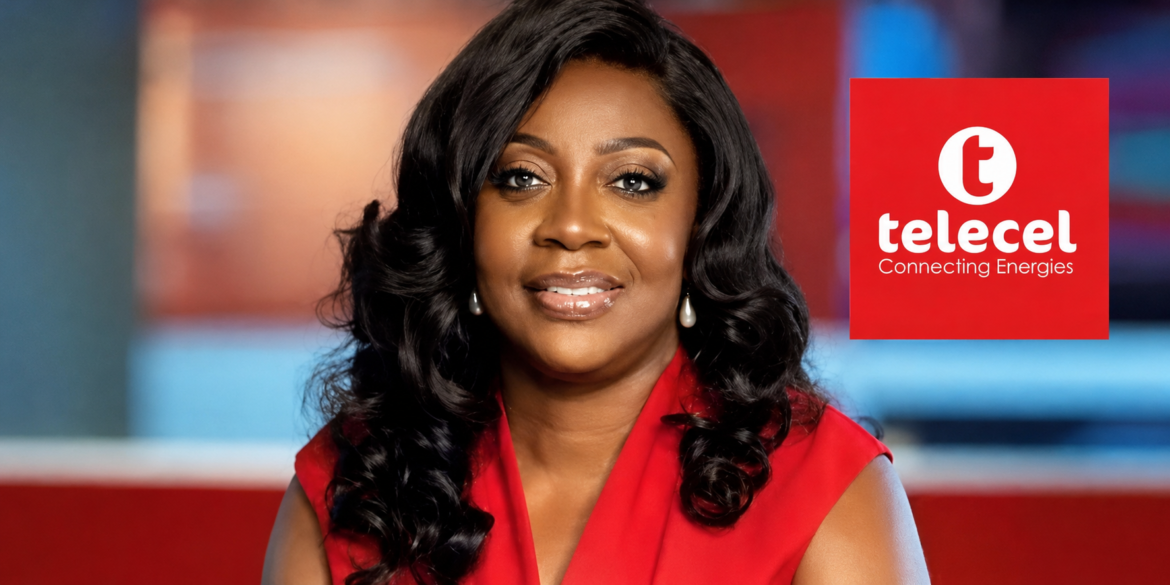
The head of Telecel Ghana, Patricia Obo-Nai, says Africa needs a clear and deliberate plan to close the gender gap in the continent’s digital economy. She believes Africa has a responsibility to provide the next generation of girls with practical solutions to break down the barriers that keep them out of science, technology, engineering, and mathematics (STEM). She made these remarks at “The Golden Hour,” a dinner-and-discussion event held in Kigali, Rwanda, ahead of the Forward Africa Leaders Symposium, which focused on women, power, and the future of digital Africa.
She pointed out that cultural norms, a shortage of female role models, and poor institutional support are shutting girls out of STEM long before they even get to choose a career. Drawing on UNDP data showing that only 27 percent of Africa’s STEM workforce is female, she said the gap is not about ability it is the result of a system that has been working against women. “When women are excluded, Africa loses talent, creativity, and insight. We lose the diversity of ideas and perspectives that drive innovation, and we limit our collective ability to solve the complex problems facing our continent,” she said.
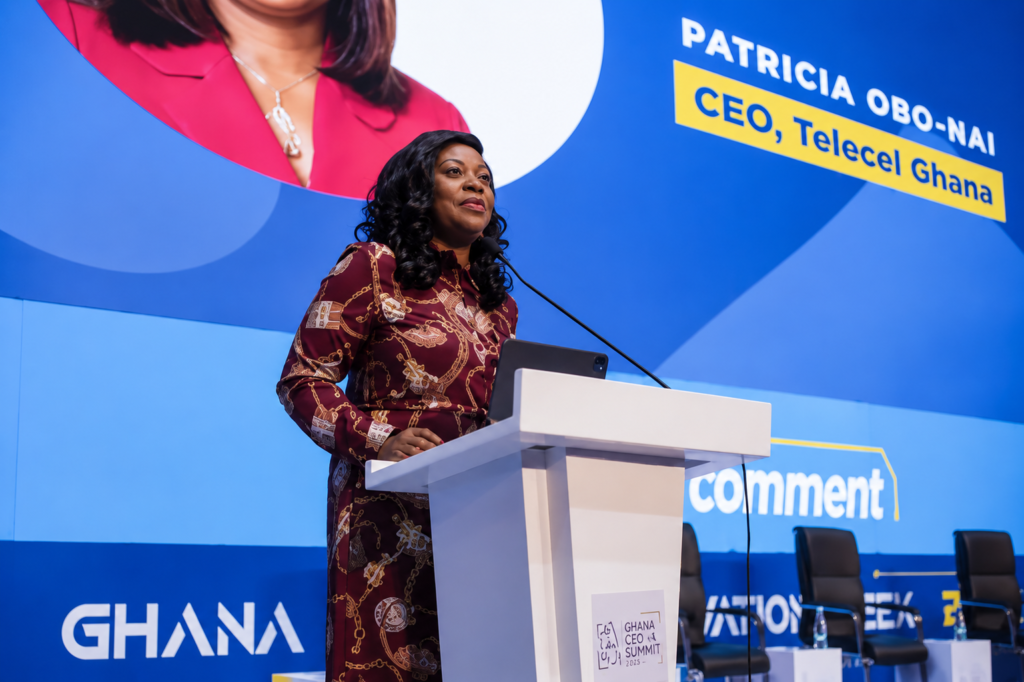
She said Telecel Ghana has intentionally built its digital skills programmes to tackle this imbalance, especially through STEM projects run by its Foundation and aimed at upper primary and junior high school students. She added that the company’s training programmes covering coding, robotics, the Internet of Things, and app development are made up of 70 percent female participants.
She also highlighted the Telecel Female Engineering Student Scholarship Programme, which has supported over 100 women since 2011 through tuition support, mentoring, and work placements, all aimed at growing the number of women entering engineering and related fields. Beyond training programmes, Madam Obo-Nai stressed the need for bigger, system-wide change, saying that true inclusion must go beyond skills workshops to reshape policies, hiring practices, and leadership structures so they actively open doors for women.
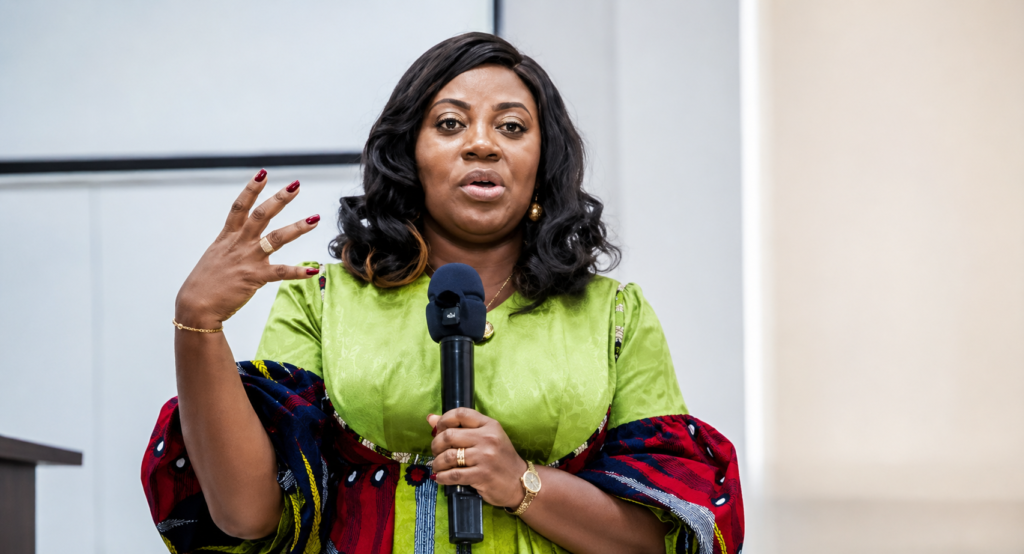
She noted that the digital systems being built across Africa today from mobile banking to artificial intelligence and data policy will eventually be handed over to girls who are currently still in school. She challenged the leaders in the room to think honestly about what they had personally done to support girls not yet in leadership, to acknowledge where mentorship is still lacking in their organisations, and to make firm commitments to widen access for young women.
The Golden Hour is part of a pre-dialogue series for the Forward Africa Leaders Symposium an intimate dinner-and-conversation format that brings together senior leaders, policymakers, and business executives to discuss Africa’s development challenges through focused conversations. The session is designed as a space for honest, open discussion that pushes leaders to examine the systems shaping the future of the continent.