With just four years remaining to achieve the global goal of ending child marriage, Ghana has launched a comprehensive review of its national strategy to address persistent gaps and emerging challenges driving the practice.

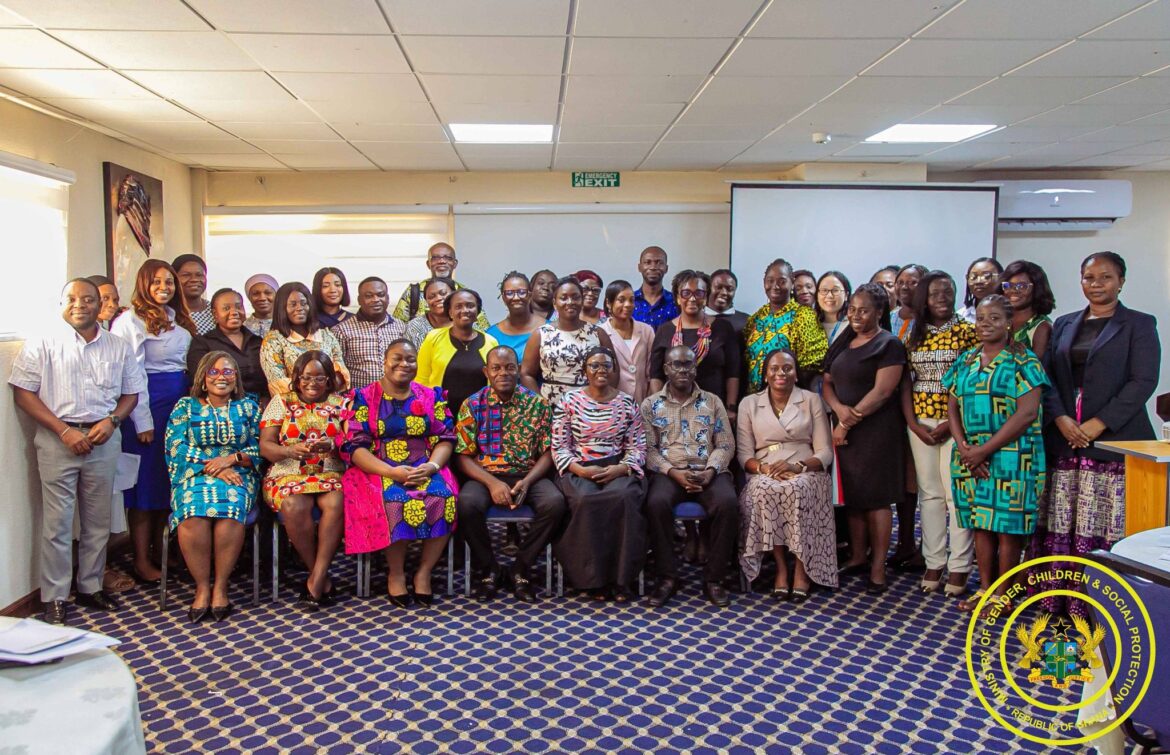
On Saturday, January 24, 2026, the Child Marriage Unit of the Ministry of Gender, Children and Social Protection, in collaboration with UNFPA and UNICEF Ghana, held a high-level consultative meeting in Accra to review and update the National Strategic Framework (NSF) on Ending Child Marriage. The one-day engagement assessed progress made between 2017 and 2025, identified implementation challenges, and gathered insights from frontline actors, aiming to reshape Ghana’s response toward achieving Sustainable Development Goal 5.3 by 2030.
Speaking on behalf of the Ministry’s Chief Director, Madam Saphia Tamimu, Head of the Child Marriage Unit, noted that the review was necessary due to deeply entrenched structural vulnerabilities in some communities. She emphasized that addressing these challenges is critical to protecting the rights, dignity, and potential of every child.
Madam Tamimu highlighted key milestones that have strengthened Ghana’s institutional response to child marriage, including the passage of the Affirmative Action Gender Equity Act, 2024 (Act 1121), the Social Protection Act (Act 1148), and the continued enforcement of the Children’s Act. Despite these achievements, she acknowledged that systemic weaknesses remain, underscoring the need for urgent strategic realignment and a renewed focus on effective implementation.
Representatives from UNFPA and UNICEF Ghana emphasized the importance of evidence-based programming, stronger coordination, and sustained partnerships to accelerate progress. They explained that Phase III of the UNFPA/UNICEF Global Programme to End Child Marriage aims to scale up proven interventions, reinforce national systems, and amplify the voices of adolescent girls to drive lasting change.
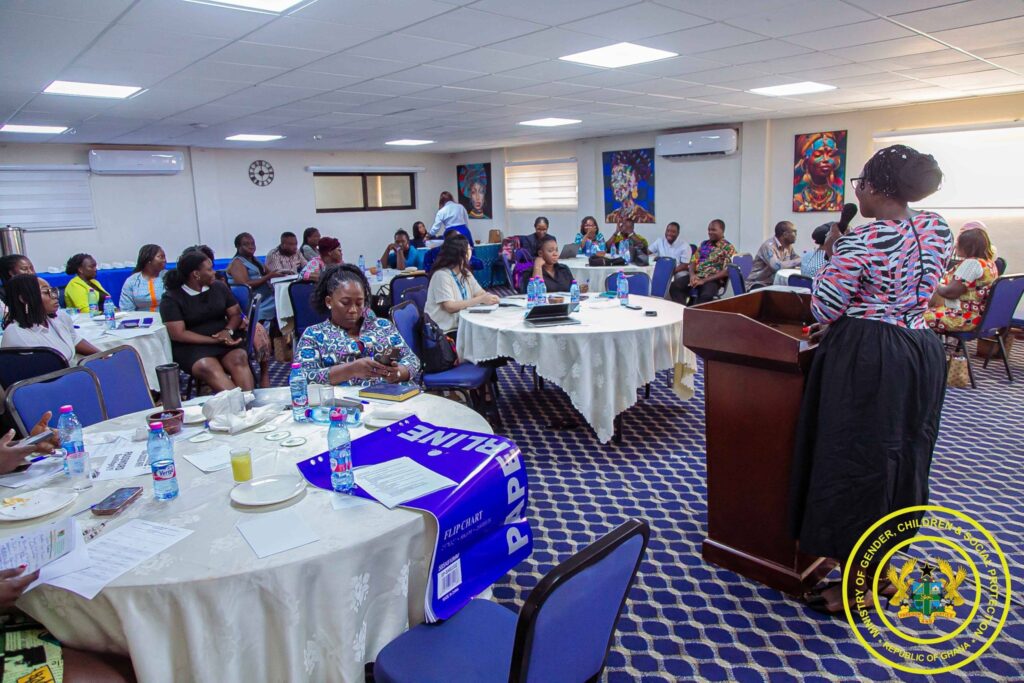
Participants at the meeting engaged in detailed discussions on priority actions, coordination mechanisms, and implementation strategies, drawing on lessons from community and district-level experiences. Organizers explained that the consultative process was designed to ensure the revised framework reflects current realities, aligns with national development priorities, and addresses the experiences of girls most at risk of child marriage.